


How to preserve metal surfaces


How to effectively protect metal materials from rusting.
In the case of metal structures, such as gates and wickets, various shelters, greenhouses or hotbeds or gutter hooks, after some time, most often after contact with water or a humid environment, metal in the places of discord, i.e. uncontrollable oxidation, which first spoils the aesthetic impression. In addition to oxygen, solar radiation, temperature and its changes together with moisture and pollutants also have a decisive influence on the oxidation of materials. In the case of a combination of individual atmospheric influences, a synergistic effect can occur, i.e. the factors influence each other. Individual environments are then characterized by a number of factors that affect the degree of aggressiveness of the environment in different ways.
Oxidation of metals first represents a change in the appearance of metal surfaces, and later a disruption of the structure of the metal. Although only after a very long time.
Risk factors:
1. Lack of oxygen. A continuous access of oxygen plays a key role in anti-corrosion properties (it can be taken from both air and water). When the oxygen supply is restricted for any reason (for example, by depositing salt from the water), it opens the door wide to other corrosive factors listed below.
2. Increased concentration of chlorine and chloride. These substances pose one of the greatest threats.
3. Galvanic causes. Galvanic corrosion occurs when two metals are connected by an electrolyte (and moisture in the air also serves as an electrolyte).
How to preserve metal surfaces:
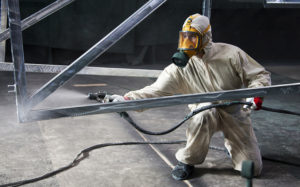
However, corrosion is relatively easy to combat, and there are a number of proven ways to do it that anyone can try. The design of the solution must take into account coatings after installation, installation and other maintenance. In addition to industrial preservation procedures, there are a number of methods that are available to every DIYer. Agents can be used that create a protective film on the surface of metals that repels moisture. These are mostly oil- and wax-based substances. They leave the surface of the metal with a natural look while protecting it. Their downside is much more frequent renewal of the coating than is the case with conventional paints.
 |
 |
 |
In the first place are and always will be special coatings (covering or transparent). These prevent corrosion chemically, as they contain corrosion inhibitors, or barrier (they create a layer that cannot be penetrated by air oxygen). Often it is even a combination of both methods. According to the manufacturers, it can be used very simply after removing the top layer of corrosion and wiping the cleaned areas with a dry cloth. Many people have had very good experiences with them.
Corrosion Stabilizer
In the case of using more expensive paints designed directly for rust, you can’t go wrong by using a corrosion stabilizer. It is designed to stop the incipient corrosion of iron and to stop corrosion reactions in thinner layers of rust. The corrosion stabilizer also serves as a primer. It is suitable for basic anti-corrosion coatings of metals, especially for surfaces with residual corrosion and old uncleaned coatings. It stabilizes rust and closes the surface against moisture. The manufacturer recommends coating wherever rust cannot be removed mechanically perfectly.
 |
 |
 |
However, a galvanized construction with powder coating is definitely the best option.
 |
 |
 |
 |